1. Introduction: Understanding Why Aggression Appears
Aggression in cats can feel sudden, confusing, or even alarming, especially when it appears without warning. Learning how to calm an aggressive cat begins with understanding the root causes of this behavior. Cats rarely become aggressive “for no reason”—their actions are usually responses to fear, pain, overstimulation, territorial stress, or a disruption to their environment.
Your goal is not to punish, dominate, or overpower your cat. Instead, the purpose of learning how to calm an aggressive cat is to guide your pet back into a state of emotional safety. The secret is to recognize signals early, adjust the environment, and apply a structured calming strategy. This article will give you five reliable, humane methods that reduce tension and rebuild trust.
2. Identify the Triggers Behind the Behavior
Before applying any method, the first step in how to calm an aggressive cat is to identify what triggers the behavior. Common triggers include:
-
Loud noises or unfamiliar guests
-
Territory disputes with other pets
-
Fear-based reactions to touch
-
Recent changes—moving homes, new furniture, new baby, etc.
-
Physical pain from injury or illness
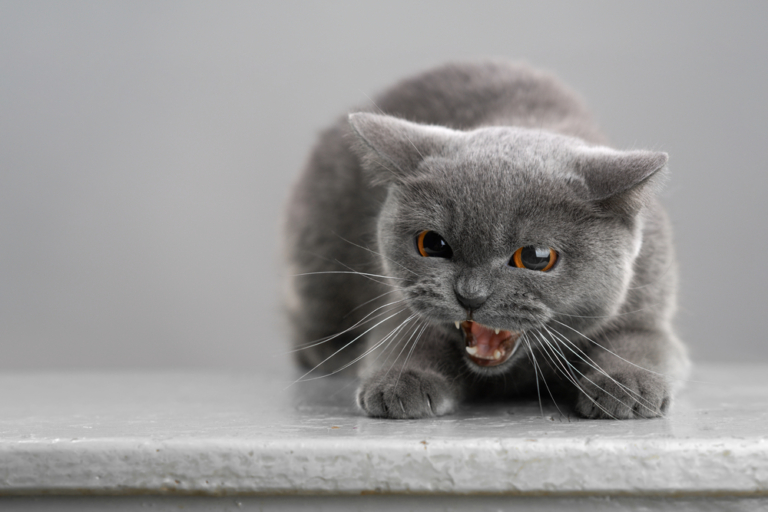
Look for subtle cues such as pinned ears, dilated pupils, low growls, or tail flicking. These early signs help you intervene before the aggression escalates. Knowing the cause helps you design a targeted calming plan rather than guessing.
3. Create a Safe Space to Lower Stress Levels
A safe retreat is a core requirement for how to calm an aggressive cat effectively. Cats calm faster when they have a private, controlled space where no one touches them, approaches them, or invades their boundaries.
What a Safe Space Should Include:
-
A quiet room or a high vertical perch
-
Soft bedding
-
Access to food, water, and a litter box
-
Dim lighting
-
Familiar scents (blankets, toys, scratching posts)
Never force the cat inside—gently guide with distance and leave the room. The goal is to let the cat decompress naturally without stimulation. Many cats regulate their emotions much faster when they can withdraw rather than confront.
4. Use Calming Tools and Sensory Techniques
Understanding how to calm an aggressive cat also means learning which sensory tools reduce anxiety. Cats respond strongly to scent, sound, and touch—but only when used correctly.
Reliable Calming Tools:
-
Pheromone diffusers (Feliway Classic)
Imitates maternal feline pheromones that signal safety. -
Calming cat treats with L-theanine
Supports relaxation without sedation. -
Soft ambient music or white noise
Covers environmental triggers like outside animals or household sounds. -
Gentle slow blinking
Communicates friendliness in cat body language.
Avoid petting the cat when they are showing warning signs. Touch can intensify aggression. Instead, stay calm, keep movements slow, and reduce noise. The goal is to offer sensory stability, not stimulation.
5. Behavioral Redirection Without Punishment
Punishment always makes aggression worse. Yelling, spraying water, or using physical corrections increases fear and destroys trust. A core rule in how to calm an aggressive cat is to avoid confrontation entirely.
Better Alternatives Include:
-
Redirection with play: Wand toys help release energy safely.
-
Scratch post distraction: Helps express frustration physically.
-
Clicker training: Reinforces calm behaviors with tiny treats.
-
Pause and distance: Walk away when tension rises.
Cats learn faster through positive reinforcement than through correction. When they show calm behavior—even small improvements—reward immediately. The brain begins to associate calmness with safety and reward.
6. Gradual Social Reintegration After Aggression
If aggression was directed at a person or another pet, reintegration must be slow. Rushing this process is a major mistake people make when learning how to calm an aggressive cat.
Steps for Safe Reintegration:
-
Start with scent swapping—blankets, toys, towels
-
Use barrier introductions (baby gates or cracked doors)
-
Reward calm behavior near the barrier
-
Gradually allow supervised interactions
If the cat shows aggressive body language, step back one level in the process. Patience is key.
7. Reduce Environmental Stressors for Long-Term Calmness
Long-term success with how to calm an aggressive cat requires an environment that feels predictable and stable.
This includes:
-
A consistent daily feeding schedule
-
Sufficient vertical climbing options
-
Multiple litter boxes for multi-cat homes
-
Plenty of hiding spots
-
Regular play sessions to burn excess energy
A stable environment decreases stress hormones, resulting in a calmer temperament over time.
8. Veterinary Checks for Pain or Medical Issues
Sometimes aggression is caused by hidden pain. Cats mask injuries extremely well due to survival instincts. If your cat suddenly becomes aggressive, a veterinary exam is essential.
Possible medical causes include:
-
Arthritis
-
Dental pain
-
Urinary tract infections
-
Hyperthyroidism
-
Neurological issues
Addressing medical conditions can dramatically reduce aggression and is a vital part of how to calm an aggressive cat.
9. When to Consult a Feline Behaviorist
If your cat’s aggression becomes severe—biting, repeated lunging, or prolonged hostility—it may be time to consult a certified feline behaviorist. An expert can design a custom plan, assess the home’s dynamics, and create step-by-step behavior modification strategies.
A behaviorist is especially helpful in:
-
Multi-cat conflict
-
Redirected aggression
-
Trauma-related aggression
-
Fear-based aggression
Combining professional guidance with your ongoing efforts creates faster, safer improvements.
10. Conclusion: Trust, Patience, and Consistency
Learning how to calm an aggressive cat is a gradual journey. The goal is not to eliminate your cat’s emotions but to provide the support they need to feel secure. By identifying triggers, offering a safe environment, using sensory tools, reinforcing calm behavior, and seeking medical or professional guidance when needed, you build a pathway back to trust and stability.
Consistency is the heart of long-term change. A calmer environment, predictable routine, and compassionate handling will help your cat feel safe again—and a safe cat is a peaceful cat.