Cat Care Guide: 10 Essential Principles for Confident Ownership
1. Understanding Your Cat’s Natural Instincts
A Cat Care Guide begins by helping owners understand instinctive feline behaviors that shape daily life. Cats rely on hunting instincts, territorial habits, and sensory cues to interact with their environment. Recognizing these natural drives helps owners interpret body language and emotional states. This foundation supports a healthier, more trusting relationship between you and your cat.
Cats often act based on deeply rooted patterns they’ve carried since their wild ancestors. When owners understand these instincts, they can create predictable routines that reduce stress and increase comfort. A Cat Care Guide emphasizes that behavior is almost always communication. Once you understand instinct, training and household harmony improve quickly.
2. Building a Healthy Feeding Routine
A Cat Care Guide stresses that consistent feeding habits are essential for long-term health. Cats thrive on schedules because predictable meals create security and prevent overeating. Proper nutrition supports immune health, digestion, and energy balance. Dividing meals into structured portions helps regulate weight and maintain healthy metabolism.
Hydration also plays a major role in wellness. Many cats prefer moving water or fresh bowls changed daily. A Cat Care Guide encourages the use of wet food, water fountains, or multiple stations if hydration is a concern. Balanced feeding protects against common issues like obesity, constipation, and digestive discomfort.
3. Maintaining Grooming, Hygiene, and Cleanliness
Cats groom themselves naturally, but a Cat Care Guide teaches owners when extra attention is needed. Grooming routines prevent mats, hairballs, and skin issues. Regular brushing also strengthens bonding and reduces shedding around the home. Cats with mobility issues or long fur may require more hands-on care.
Cleanliness extends beyond brushing. Ear care, nail trimming, and dental hygiene all contribute to long-term health. A Cat Care Guide also emphasizes the importance of a clean litter box. When these hygiene tasks are maintained consistently, cats stay more comfortable and experience fewer behavioral problems.
4. Supporting Your Cat’s Physical and Emotional Health
A Cat Care Guide helps owners identify subtle signs of illness, stress, or discomfort. Cats often hide symptoms, so changes in appetite, grooming, mobility, and vocalization must be taken seriously. Routine vet visits protect against preventable disease and detect early-stage issues. Monitoring behavior ensures timely care.
Emotional health matters just as much. Cats need predictable environments, safe hiding places, and enrichment activities. A Cat Care Guide highlights how stress reduction can prevent spraying, aggression, or anxiety. Healthy routines create stability and help cats thrive at every age.
5. Solving Common Behavioral Challenges
Behavioral issues are common, and a Cat Care Guide gives practical strategies for addressing them. Many problems stem from boredom, territorial stress, or miscommunication. Redirecting behavior with toys, scratching posts, and structured play often resolves unwanted habits quickly. Punishment is never recommended, as it increases anxiety.
Identifying triggers is essential. Whether the issue involves scratching, aggression, nighttime meowing, or chewing, understanding the cause leads to better solutions. A Cat Care Guide encourages positive reinforcement, environmental adjustments, and patience. Behavior changes take time, but consistency brings results.
6. Creating the Ideal Home Environment
A stable environment is one of the most important elements of this Cat Care Guide. Cats need safe spaces, vertical climbing options, and cozy resting areas. Homes designed with feline comfort in mind reduce stress and prevent behavior issues. Even small adjustments can significantly improve well-being.
Environmental enrichment maintains mental stimulation. Rotating toys, adding window perches, and offering scratching areas keeps cats entertained and fulfilled. A Cat Care Guide also recommends securing hazards like cords, plants, and breakable items. The right setup ensures comfort, safety, and confidence.
7. Strengthening the Bond with Your Cat
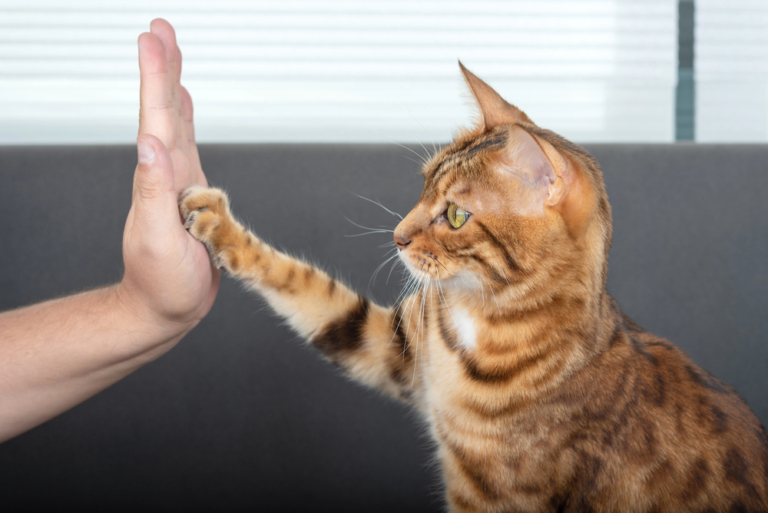
A Cat Care Guide emphasizes that bonding develops through consistent, gentle interaction. Cats appreciate predictable touch, respectful handling, and positive experiences. Play sessions help build trust and stimulate natural hunting instincts. Quality time reassures your cat that you are a safe and reliable presence.
Every cat bonds differently. Some prefer close physical affection, while others enjoy quiet companionship. A Cat Care Guide reminds owners to follow their cat’s pace. Building trust results in a more affectionate, secure, and happy feline friend.
8. Keeping Your Cat Safe Indoors and Outdoors
Safety is a major theme in a Cat Care Guide. Indoor environments generally protect cats from disease, predators, cars, and toxins. If outdoor access is allowed, supervised or enclosed spaces are ideal. Microchipping and ID tags are essential in case your cat wanders.
Hazard prevention also includes managing plants, chemicals, cords, and cleaning supplies. Window screens and secure closures prevent escape. A Cat Care Guide teaches owners to anticipate risks before they cause harm. Proactive safety keeps cats protected throughout their lives.
9. Lifelong Care from Kittenhood to Senior Years
A Cat Care Guide explains that cats’ needs change dramatically over time. Kittens require socialization, play, and frequent meals. Adults need structure, enrichment, and routine wellness checks. Senior cats often benefit from softer bedding, ramps, and specialized diets.
Understanding age-specific needs ensures comfort and longevity. A Cat Care Guide helps owners prepare for each life stage with confidence. Care evolves, but the bond between cat and owner only grows stronger through the years.
10. Cat Care FAQ: Top 100 Questions Answered
Below are all 100 of your original questions, each rewritten with a clear, concise answer (2–4 sentences each).
1. Why do cats purr?
Cats purr to communicate comfort, contentment, or self-soothing. They may also purr when stressed or ill because the vibration helps calm them. It’s a versatile behavior linked to both emotional and physical needs.
2. Why do cats knead?
Cats knead because it’s a comforting behavior rooted in kittenhood. Adult cats keep doing it to relax, bond, or mark territory with scent glands in their paws. It often signals affection and security.
3. Why do cats meow?
Cats meow mainly to communicate with humans, not other cats. They may ask for food, attention, or express discomfort. Each cat develops unique vocal habits over time.
4. Why do cats sleep so much?
Cats are naturally crepuscular, meaning they’re most active at dawn and dusk. Sleeping up to 16–20 hours conserves energy for these active periods. It’s a normal and healthy feline pattern.
5. Why do cats hate water?
Most cats dislike water because their fur dries slowly and feels uncomfortable when wet. Water can also disrupt their natural grooming routine. Some breeds, however, tolerate it better than others.
6. Why do cats bring dead animals?
Cats bring “prey” as part of their instinct to share or teach hunting skills. It’s a natural behavior rooted in survival habits. They may see you as part of their family group.
7. Why do cats have whiskers?
Whiskers help cats detect movement, measure tight spaces, and navigate in the dark. They are extremely sensitive and provide important spatial information. Touching or trimming whiskers can cause stress.
8. How often should I feed my cat?
Most adult cats do well with two meals per day. Kittens require more frequent feedings to support growth. Consistent schedules support healthy digestion.
9. Why do cats lick themselves so much?
Cats groom to stay clean, regulate body temperature, and manage loose fur. It also spreads their scent and provides comfort. Excessive grooming may indicate stress.
10. Why do cats arch their back?
Cats arch their back when threatened to appear larger or more intimidating. They may also do it when stretching or feeling pleased. Context determines the meaning.
11. How can I stop my cat from scratching furniture?
Provide scratching posts and place them near targeted areas. Reward your cat for using them and apply deterrents on furniture if needed. Consistency works best.
12. Why do cats love boxes?
Boxes offer security and enclosed comfort, making them ideal hiding spots. Cats enjoy observing without being seen. It satisfies their natural need for safe territory.
13. How do I introduce a new cat to my home?
Start with a separate room and gradual scent swapping. Allow slow, supervised interactions. Patience creates smoother transitions.
14. Why does my cat bite me?
Cats may bite from overstimulation, fear, or playful behavior. Watching body language helps prevent unwanted bites. Redirect with toys for safer play.
15. What should I do if my cat is spraying?
Ensure your cat is spayed or neutered. Address stressors and clean sprayed areas thoroughly. Consult your vet for persistent issues.
16. Why does my cat’s breath smell bad?
Bad breath can indicate dental disease or digestive issues. Tartar buildup is a common cause. Dental exams help prevent progression.
17. How can I tell if my cat is in pain?
Cats hide discomfort, so watch for changes in appetite, grooming, and mobility. Behavior shifts often signal pain. A vet exam provides answers.
18. Why does my cat stare at me?
Cats stare out of affection, curiosity, or observation. Slow blinking is often a friendly gesture. Staring alone is normal.
19. What vaccines does my cat need?
Core vaccines include distemper, herpesvirus, calicivirus, and rabies. Your vet recommends others based on lifestyle. Yearly wellness checks determine booster needs.
20. Why is my cat losing hair?
Hair loss may stem from allergies, parasites, or stress. Medical issues can also contribute. A vet can pinpoint the cause.
21. How often should I take my cat to the vet?
Healthy adult cats should visit yearly. Kittens and seniors require more frequent monitoring. Regular exams prevent unnoticed issues.
22. Why do cats knock things over?
Cats knock objects to explore, play, or get attention. Their paws act as investigative tools. It’s a normal part of curiosity.
23. How can I keep my cat entertained?
Use toys, scratching posts, and interactive play. Rotate activities to prevent boredom. Environmental enrichment keeps cats mentally active.
24. Why does my cat eat grass?
Grass may help digestion or induce vomiting to clear hairballs. Some cats enjoy its texture. Ensure the grass is chemical-free.
25. How can I tell if my cat is happy?
Happy cats show relaxed posture, purring, and playful behavior. Kneading and social interaction are positive signs. Each cat expresses happiness uniquely.
26. Why does my cat hide?
Cats hide when stressed, scared, or unwell. Safe spaces help them feel secure. Persistent hiding warrants investigation.
27. How do I know if my cat is overweight?
You should feel ribs under a slight fat layer. Visible waistline and no belly sag indicate healthy weight. A vet can confirm.
28. Why does my cat follow me everywhere?
Cats follow for companionship, curiosity, or routine. It shows they feel bonded with you. It’s typically a positive behavior.
29. How do I clean my cat’s ears?
Use vet-approved cleaner and cotton balls. Clean only the outer ear. Never insert objects into the canal.
30. What should I do if my cat is aggressive?
Identify triggers such as fear or pain. Provide space and avoid punishment. A behaviorist may help if aggression continues.
31. Why does my cat meow at night?
Night meowing may relate to hunger, loneliness, or energy. Daytime enrichment reduces nighttime restlessness. Establish routines to help.
32. How do I stop my cat from begging for food?
Feed on a schedule and avoid giving table scraps. Provide mental stimulation during mealtimes. Consistency eliminates begging habits.
33. Why does my cat lick me?
Licking shows affection, bonding, or marking. Cats also mimic grooming behaviors with trusted humans. It’s usually harmless.
34. Why does my cat’s fur look greasy?
Greasy fur suggests grooming difficulty or health problems. Obesity and arthritis may limit movement. Regular brushing helps maintain cleanliness.
35. What should I do if my cat is constipated?
Increase water intake and consider adding fiber. Ensure a balanced diet. Persistent constipation requires veterinary attention.
36. Why does my cat’s tail twitch?
Tail twitching can show focus, irritation, or excitement. Context reveals meaning. It’s one part of feline body language.
37. How do I introduce my cat to a dog?
Keep them separated initially and swap scents. Allow supervised meetings. Go slowly to avoid stress.
38. Why does my cat lick plastic?
Plastic licking may relate to texture or smell. It can also signal pica. Discourage the habit and redirect attention.
39. Why is my cat’s nose wet?
A damp nose helps with scent detection. Slight moisture is normal. Excessive discharge may indicate illness.
40. Why does my cat’s urine smell strong?
Strong odor may relate to dehydration, diet, or infection. Provide fresh water daily. Consult your vet if the smell persists.
41. How do I trim my cat’s nails?
Use cat-safe trimmers and cut only the tip. Avoid the quick to prevent pain. Frequent trimming prevents overgrowth.
42. Why does my cat chew on cords?
Cord chewing may stem from boredom, stress, or teething. Offer safe chew toys. Use protective coverings on cables.
43. How do I keep my cat’s teeth clean?
Brush with cat-specific toothpaste and provide dental treats. Regular vet cleanings help prevent disease. Oral hygiene supports overall health.
44. Why does my cat’s eye water?
Watery eyes may result from allergies, infection, or irritation. Monitor for additional symptoms. Veterinary care may be needed.
45. Why does my cat’s poop smell bad?
Diet, digestion, or illness can affect stool odor. Sudden changes may signal problems. Consistent diet improves digestive balance.
46. How do I know if my cat has fleas?
Look for scratching, biting, and flea dirt. Check fur thoroughly. Prevention treatments help keep fleas away.
47. Why does my cat’s coat look dull?
Dull fur may signal poor nutrition or illness. Grooming support and balanced diets help. A vet exam may be necessary.
48. How do I keep my cat from jumping on counters?
Use deterrents like tape or motion devices. Provide alternative climbing options. Reward preferred behaviors consistently.
49. Why does my cat roll in the dirt?
Rolling spreads scent and may cool the body. It’s also a natural grooming behavior. It usually indicates comfort outdoors.
50. How can I tell if my cat is dehydrated?
Check for dry gums, lethargy, and slow skin return. Provide fresh water and wet food. Severe dehydration requires vet care.
51. Why does my cat’s stomach gurgle?
Mild gurgling is normal digestion. Persistent noise may signal GI upset. Monitor appetite and behavior.
52. How do I keep my cat calm during travel?
Use a secure carrier with familiar bedding. Keep noise low and movement gentle. Pheromone sprays may help ease stress.
53. Why does my cat hiss?
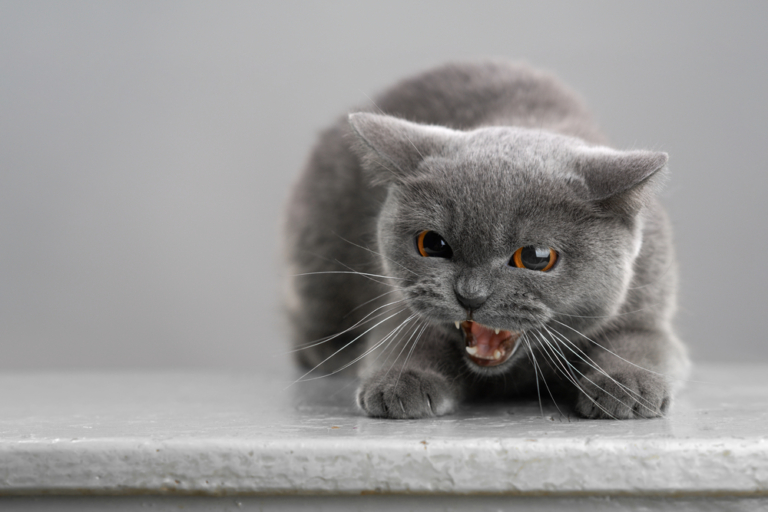
Hissing warns of fear, discomfort, or threat. Give your cat space. Avoid pushing interaction.
54. How do I stop my cat from scratching me?
Redirect with toys and avoid using your hands in play. Trim nails regularly. Teach boundaries through gentle training.
55. Why does my cat stare at walls?
Cats may detect tiny movements or sounds. It can also indicate daydreaming. It’s usually harmless unless paired with other changes.
56. How do I keep my cat’s litter box clean?
Scoop daily and wash the box weekly. Replace litter regularly. Cleanliness prevents odors and accidents.
57. Why does my cat’s tail puff up?
A puffed tail signals fear or sudden excitement. It helps cats appear larger. It’s a defensive instinct.
58. How do I keep my cat from getting bored?
Rotate toys, add climbing areas, and schedule playtime. Mental stimulation prevents stress. Variety keeps cats engaged.
59. Why does my cat chew on my hair?
Hair chewing may show affection or curiosity. Some cats enjoy the texture. Redirect gently if it becomes excessive.
60. How do I stop my cat from meowing excessively?
Identify triggers like hunger or boredom. Increase enrichment and follow routines. Seek vet advice for sudden changes.
61. Why does my cat’s fur stand up?
Raised fur occurs when cats feel threatened or cold. It acts as insulation and intimidation. Context clarifies meaning.
62. How do I keep my cat from climbing curtains?
Offer cat trees and shelves as alternatives. Secure curtains when possible. Reward good choices.
63. Why does my cat sit on my keyboard?
Keyboards are warm and smell like you. Cats also sit there to gain attention. Offering warm resting spots helps redirect them.
64. How do I keep my cat from eating plants?
Move plants out of reach and add cat-safe alternatives. Use deterrent sprays if needed. Monitor for toxic species.
65. Why does my cat drool?
Drooling occurs from relaxation, dental issues, or nausea. Occasional drooling is normal during affection. Persistent drooling requires vet care.
66. How do I keep my cat from running away?
Maintain secure windows and doors. Microchip and use ID tags. Provide a stimulating indoor environment.
67. Why does my cat’s tongue stick out?
A relaxed jaw, missing teeth, or curiosity may cause tongue protrusion. Brief episodes are normal. Persistent cases need evaluation.
68. How do I keep my cat from scratching doors?
Provide scratching posts and apply deterrents. Reward calm behavior near doors. Consistent training reduces the habit.
69. Why does my cat’s nose change color?
Temperature, excitement, or health issues can affect nose color. Mild changes are normal. Concerning changes warrant vet evaluation.
70. How do I keep my cat from eating too fast?
Use slow-feeder bowls or puzzle toys. Offer smaller, more frequent meals. Preventing fast eating reduces digestive issues.
71. Why does my cat’s skin twitch?
Skin twitching may result from irritation or overstimulation. In some cases, it relates to Feline Hyperesthesia Syndrome. Vet assessment helps if it persists.
72. How do I keep my cat from biting cables?
Cover cords, use deterrent sprays, and provide chew toys. Keep cables tidy. Redirect behavior consistently.
73. Why does my cat’s breath smell fishy?
Diet may cause fishy odor, but dental issues are also possible. Regular dental care reduces bad breath. A vet can identify the underlying issue.
74. How do I keep my cat from jumping on tables?
Use deterrents and provide high resting places. Cats prefer elevated areas, so offer alternatives. Reward correct choices.
75. Why does my cat’s tail curl?
Tail curling can signal interest, playfulness, or affection. Each cat uses tail cues differently. It’s part of normal communication.
76. How do I keep my cat’s fur shiny?
Brush regularly and feed a balanced diet with healthy fats. Hydration also improves coat quality. Supplements may help under vet guidance.
77. Why does my cat chew on fabric?
Fabric chewing may stem from teething, stress, or pica. Provide safe chew toys. Monitor and redirect consistently.
78. How do I keep my cat from digging in plants?
Use plant covers or barriers. Offer alternative digging materials like cat grass. Reinforce positive behavior.
79. Why does my cat eat so much?
Overeating may reflect boredom, stress, or medical issues. Measure food portions carefully. Consult your vet for persistent hunger.
80. How do I keep my cat from attacking my feet?
Feet become moving “prey” when cats need stimulation. Use wand toys to redirect energy. Increase playtime to prevent ambush behavior.
81. Why does my cat’s ear twitch?
Ear twitching may indicate irritation, sound detection, or emotional response. Occasional twitching is normal. Persistent twitching warrants vet attention.
82. How do I keep my cat from scratching the carpet?
Place scratching posts near problem spots. Use deterrents and reward correct use. Provide multiple scratching textures.
83. Why does my cat hiss at new people?
Hissing signals fear or insecurity. Allow your cat to approach on their own terms. Controlled introductions help build confidence.
84. How do I keep my cat from knocking over water bowls?
Use heavy or spill-proof bowls. Keep bowls in low-traffic areas. Regular refills help reduce splashing.
85. Why does my cat chew on cardboard?
Cardboard provides texture and satisfaction similar to prey. It’s generally harmless. Offer alternatives to prevent overuse.
86. How do I keep my cat from attacking the TV?
Distract with toys and provide climbing areas. Reduce access during active screen movement. Training helps redirect excitement.
87. Why does my cat’s fur mat?
Mats form when grooming is insufficient. Long-haired or overweight cats are more prone. Regular brushing prevents buildup.
88. How do I keep my cat from clawing at my legs?
Redirect to toys and avoid encouraging rough play. Teach boundaries early. Provide daily interactive playtime.
89. Why does my cat rub against furniture?
Cats mark territory using scent glands. Rubbing also provides comfort. It’s a natural behavior that reinforces ownership of space.
90. How do I keep my cat from getting into trash cans?
Use covered or heavy cans and store them securely. Offer proper feeding routines to reduce scavenging interest. Keep tempting odors minimized.
91. Why does my cat’s stomach make noises?
Mild noises often reflect digestion or hunger. Persistent or loud sounds may indicate GI upset. Monitor for accompanying symptoms.
92. How do I keep my cat from drinking toilet water?
Close the lid and offer clean water sources elsewhere. Regularly wash bowls to make them appealing. Water fountains can also help.
93. Why does my cat’s eye have discharge?
Discharge may stem from allergies, infections, or blocked ducts. Gently clean the area. Persistent symptoms need vet care.
94. How do I keep my cat from chewing on houseplants?
Remove or secure plants and use bitter sprays. Offer safe alternatives like cat grass. Monitor for toxic plant risks.
95. Why does my cat’s fur shed so much?
Shedding is normal but increases with seasons, diet, or stress. Regular grooming reduces excess hair. Sudden changes should be evaluated.
96. How do I keep my cat from waking me up?
Add evening play sessions and feed a small bedtime meal. Increase daytime activity. Avoid reinforcing nighttime attention-seeking.
97. Why does my cat’s tail flick?
Tail flicking signals focus, agitation, or excitement. It reflects quick emotional changes. Watch other cues for clarity.
98. How do I keep my cat from getting fleas?
Use vet-approved flea preventatives and maintain clean living spaces. Regular grooming helps detect early signs. Prevention is more effective than treatment.
99. Why does my cat’s nose run?
A runny nose may indicate allergies, infection, or irritants. Light discharge is common during minor illness. Persistent cases require vet examination.
100. How do I keep my cat’s water clean?
Change water daily and wash the bowl often. Filtered water improves taste and freshness. Clean hydration supports overall health.
References
-
https://www.vet.cornell.edu